Planning EV Charging for a Commercial Parking Lot
Start with a site assessment and parking capacity review
Every commercial charging project begins by understanding the physical space. A thorough site assessment looks at the parking lot layout, the number of spaces, and how those spaces are used throughout the day. You need to know which spots get regular use and which sit empty during peak hours. This information helps you decide how many charging stations to install and where to place them.
During the assessment, also check the existing electrical service. Note the distance from the main utility connection to each potential charging location. Long cable runs add cost and affect voltage drop, so shorter distances are better. Mark any obstacles like concrete islands, landscaping, or underground utilities that could complicate trenching or conduit installation. A clear map of the lot, with dimensions and existing infrastructure marked, becomes the foundation for the rest of the plan.
Understand tenant demand and usage patterns
For a commercial parking lot, the people who will use the chargers are not just random drivers. They are tenants, employees, or regular visitors. Talk to building management or property owners to get a sense of how many electric vehicles are already in the lot and how many are expected in the next few years. Look at lease agreements or parking permits to see if there are any rules about reserved spaces or shared use.
Usage patterns matter because they shape the type of charging you need. A lot that fills up during the workday and empties at night might work best with level 2 chargers that top off batteries over several hours. A lot near a highway or a retail center, where people stop for 30 minutes to an hour, might benefit from a mix of level 2 and DC fast chargers. The goal is to match the charging speed to how long vehicles typically park. Overbuilding with fast chargers where they are not needed wastes money; underbuilding with slow chargers where people expect speed frustrates users.
Review the utility service and load profile
Adding a bank of EV chargers to a commercial lot puts a significant new load on the electrical system. You need to know the existing service capacity and whether it can handle the extra demand. A load profile study looks at the peak power draw of the building or lot, then calculates how much additional capacity the chargers will require. This step often reveals that the existing transformer or main panel needs an upgrade.
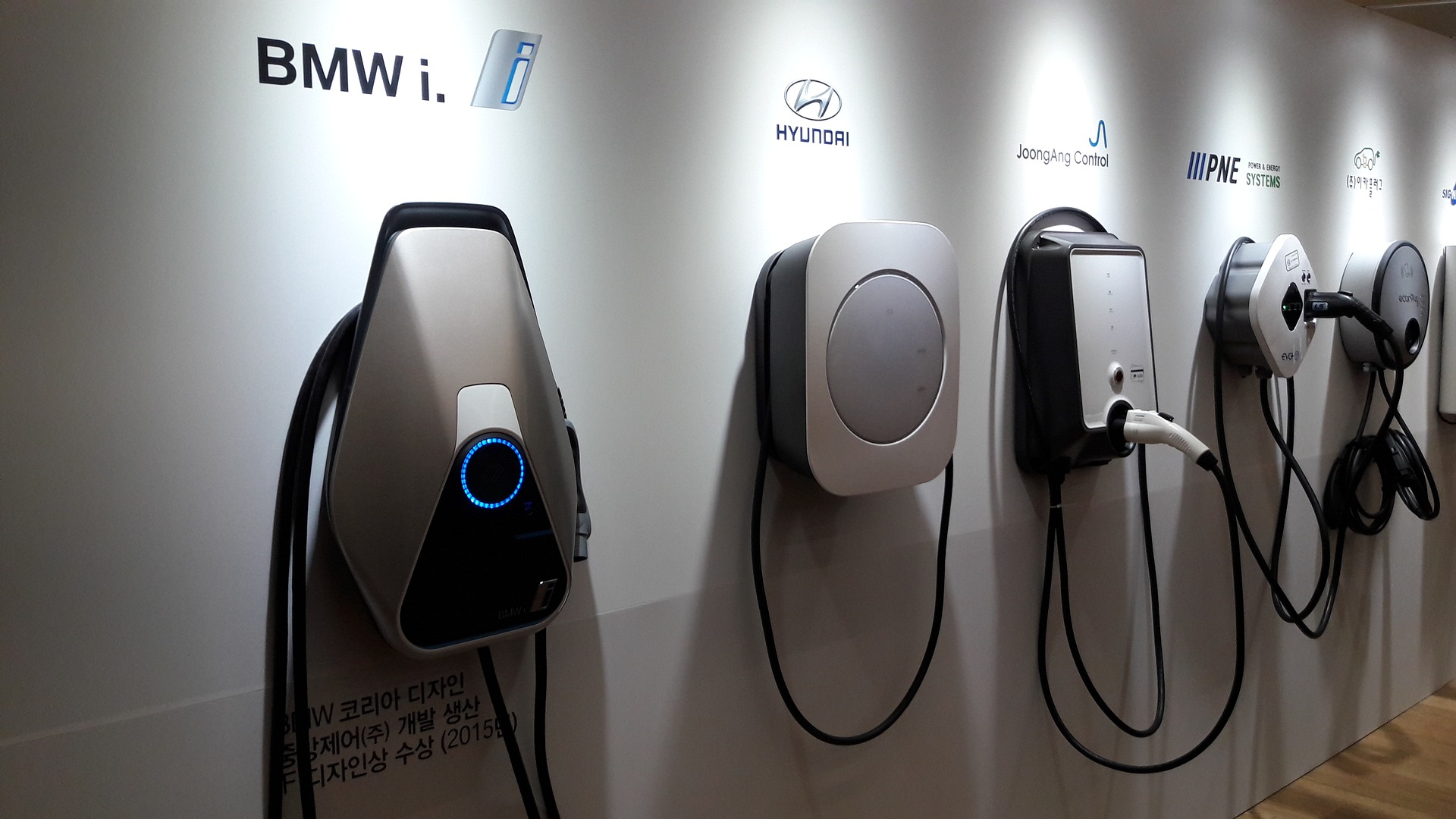
Contact the local utility early in the process. They can tell you about available capacity on the grid, any demand charges that apply to commercial customers, and whether they offer incentives or rebates for installing charging infrastructure. Some utilities also require a separate meter for the chargers, which affects both installation cost and ongoing billing. Knowing these details before you design the system saves time and avoids surprises later. For a deeper look at how to handle the electrical side of a commercial project, you can visit woodingelectric.com for more information on what a typical installation involves.
Choose between networked charging and access control
Networked charging stations connect to a central management platform. They let you monitor usage, track energy consumption, set pricing, and manage user access remotely. For a commercial parking lot, this capability is almost essential. Without it, you have no way to know who is using the chargers, how much electricity they are using, or whether the equipment is working properly.
Access control is a related decision. Some lots need to restrict charging to authorized tenants or employees. Others are open to the public. If the lot is gated or has a parking management system, the chargers may need to integrate with that system. Radio frequency identification (RFID) cards, mobile apps, or license plate recognition are common methods. The choice depends on who uses the lot and how much control the property owner wants. Networked systems usually include access control as a feature, but the specific implementation varies by manufacturer.
Plan the layout and installation sequence
Once you have the site data, the utility information, and the charger type selected, it is time to plan the physical layout. Place chargers near the electrical service to minimize trenching and conduit runs. Consider the turning radius of vehicles and the location of parking space markings. Each charger should be accessible without blocking adjacent spaces or creating tripping hazards from cables.

Think about future expansion. Install conduit and wiring that can handle additional chargers later, even if you only put in a few now. This is much cheaper than tearing up pavement later. Also plan for the necessary supporting infrastructure: concrete pads or bollards to protect the chargers from vehicle impact, proper lighting for safety and visibility, and signage to guide users. The installation sequence matters because some work, like trenching and pouring concrete, needs to happen before the chargers arrive on site.
Account for maintenance and ongoing management
Commercial charging infrastructure is not a set-it-and-forget-it investment. Chargers need regular inspection, software updates, and occasional repairs. Plan for how you will handle these tasks. Some property owners contract with a local electrical contractor for ongoing maintenance. Others rely on the manufacturer's service network. The key is to have a clear plan before the chargers go live, so downtime is minimized.
Also consider how you will handle billing and user support. If the chargers are free to use, that is simple, but the electricity cost still needs to be accounted for. If you charge per kilowatt-hour or per session, you need a payment system that works reliably. Networked chargers typically handle this, but the property owner must set up the pricing structure and manage any disputes. For property owners who prefer to hand off the operational details, a turnkey provider like woodingelectric.com can handle everything from installation to ongoing support, though the specifics depend on the scope of the project.
Final checks before going live
Before you turn on the chargers, run through a checklist. Verify that each unit is properly grounded and that the electrical connections are tight. Test communication between the chargers and the network platform. Make sure access control works as intended for authorized users. Check that the signage is clear and that there are no obstructions in the parking spaces.
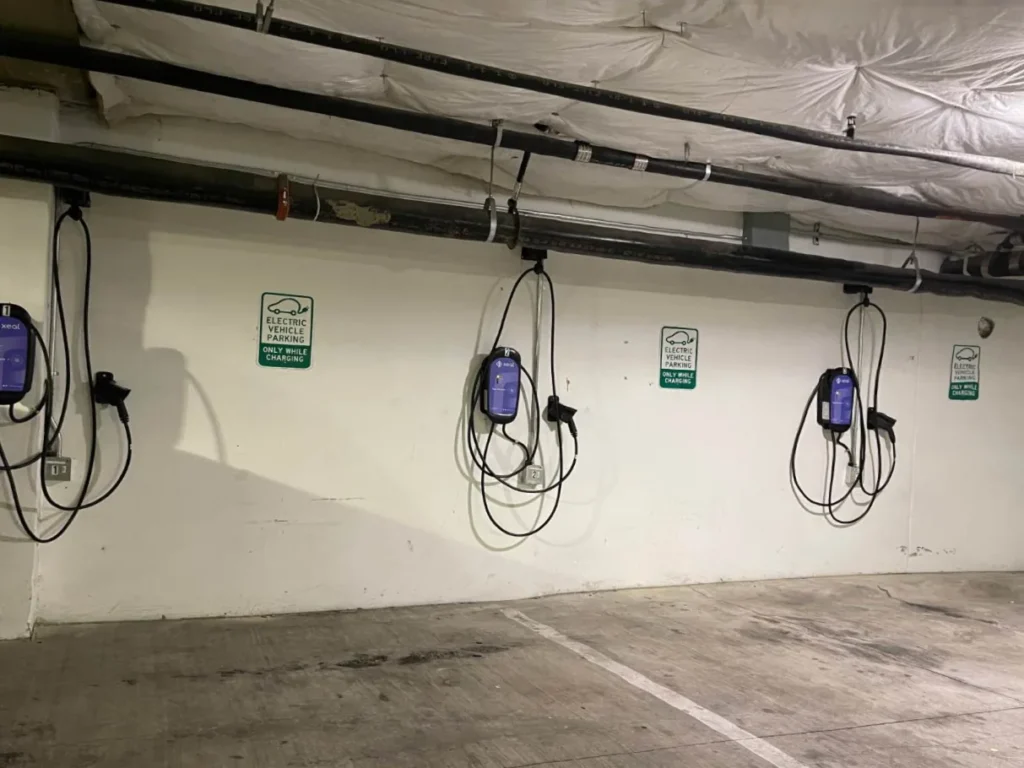
Train the property management team on basic troubleshooting, such as resetting a charger that has faulted or checking the network status. Provide them with contact information for the installer and the manufacturer. A smooth launch sets the tone for user satisfaction and reduces the number of support calls in the first weeks.
Planning EV charging for a commercial parking lot involves many moving parts, but the process is straightforward when you take it step by step. Start with the site and the users, understand the electrical capacity, choose the right equipment, and plan for the long term. Each decision affects the next, so a careful, methodical approach pays off in a system that works reliably for years.